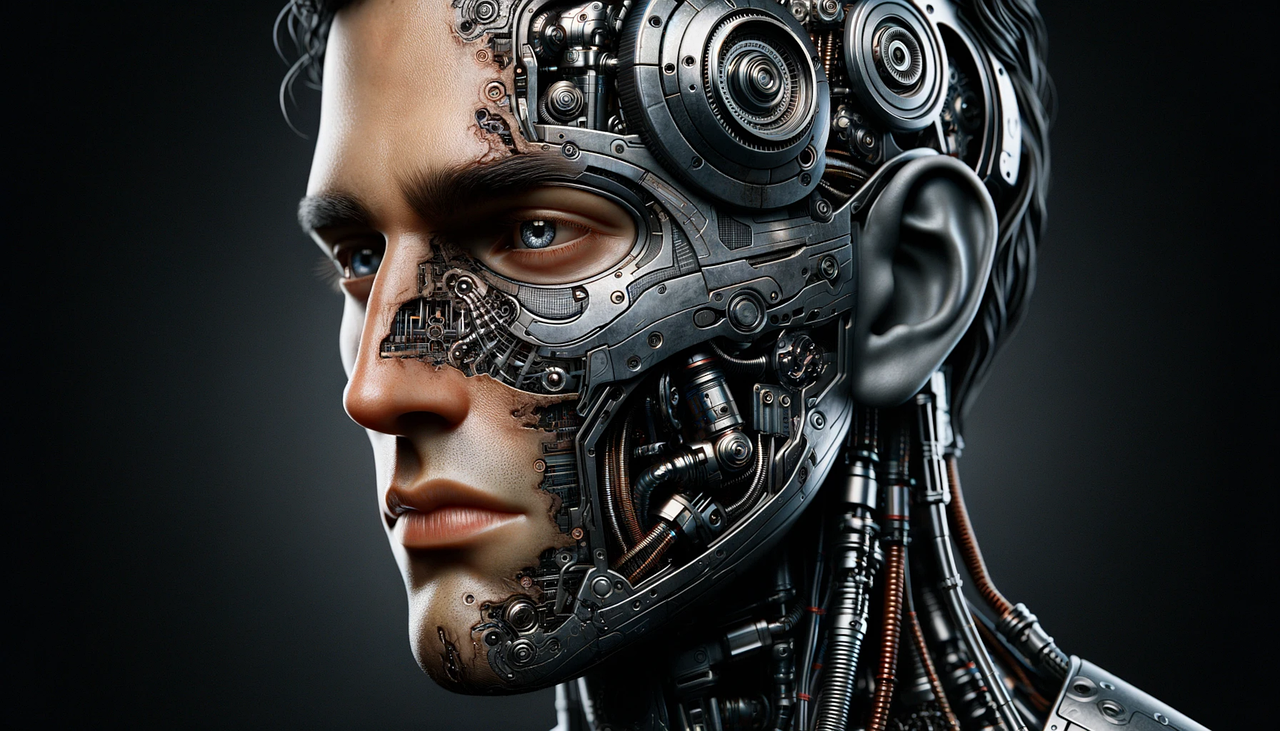
Next-generation artificial intelligence refers to advanced AI systems designed to operate with higher levels of
reasoning, adaptability, autonomy, and contextual understanding than earlier generations. In 2026, AI is evolving
beyond narrow task execution toward systems that can learn continuously, collaborate with humans, and operate across
multiple domains with minimal supervision.
Unlike traditional AI models that rely heavily on predefined rules or limited datasets, next-gen AI emphasizes
self-improvement, multimodal intelligence, and responsible decision-making. These systems are increasingly shaped by
ethical frameworks, transparency requirements, and real-world reliability rather than raw performance alone.
Core Capabilities of Next-Gen AI
Advanced reasoning and problem-solving across unfamiliar scenarios
Multimodal intelligence combining text, images, audio, and sensor data
Autonomous task execution with human-in-the-loop controls
Continuous learning from real-world feedback and environments
Explainable and ethically aligned decision-making processes
Real-World Applications
Next-gen AI technologies are already influencing multiple industries, not as replacements for humans but as intelligent
assistants and decision-support systems.
Healthcare: clinical decision support, early diagnosis, and medical research analysis
Finance: fraud detection, risk modeling, and regulatory compliance automation
Manufacturing: adaptive robotics, predictive maintenance, and quality optimization
Climate & energy: smart grids, climate modeling, and resource optimization
Cybersecurity: threat detection, anomaly analysis, and automated response systems
How Next-Gen AI Differs from Traditional AI
Aspect
Traditional AI
Next-Gen AI
Learning Method
Static or batch-trained
Continuous and adaptive learning
Scope
Task-specific
Generalized and cross-domain
Data Handling
Single-format data
Multimodal data understanding
Decision Transparency
Limited explainability
Explainable and auditable outputs
Human Interaction
Command-based
Collaborative and contextual
Future Outlook (2026 and Beyond)
Looking ahead, next-gen AI is expected to integrate more deeply with emerging technologies such as neuromorphic
hardware, edge computing, and quantum-assisted processing. Rather than focusing solely on speed or scale, development
is shifting toward reliability, alignment, and long-term societal impact.
Human-AI collaboration will become the dominant model, where AI systems enhance human decision-making, creativity, and
problem-solving instead of operating independently without oversight.
Frequently Asked Questions About Next-Gen Artificial Intelligence
What is Next-Gen AI?
Next-Gen AI refers to advanced artificial intelligence systems that emphasize continuous learning,
multimodal understanding, autonomous decision-making, and ethical alignment, going beyond traditional
rule-based or narrow AI models.
How is Next-Gen AI different from current AI systems?
Unlike earlier AI systems that focus on specific tasks, next-gen AI can operate across domains,
adapt to new information in real time, and provide explainable reasoning behind its decisions.
Will Next-Gen AI replace human jobs?
Next-gen AI is more likely to transform jobs rather than eliminate them by automating repetitive tasks
and supporting humans in complex decision-making, research, and creative work.
What technologies will drive Next-Gen AI?
Key drivers include advanced machine learning architectures, neuromorphic chips, synthetic data,
edge computing, and quantum-assisted processing combined with responsible AI frameworks.
When will Next-Gen AI become mainstream?
Adoption is already underway in enterprise, healthcare, and research environments, with broader
consumer-facing applications expected to mature gradually over the next several years.