
In our view, **Next-Gen AI and Quantum Computing** are the domains most likely to deliver actionable impact in 2026. **Who should explore these now:** professionals and innovators seeking practical adoption insights. **Who should avoid rushing in:** casual enthusiasts or small-scale hobbyists — many platforms remain complex, expensive, and experimental. Overall, we recommend focusing on technologies with clear near-term utility while keeping an eye on neurotechnology and space tech for medium-term strategic planning. This approach balances opportunity with realistic adoption.

In 2026, AI has moved beyond experimental prototypes. Next-Gen AI platforms now deliver advanced reasoning, domain-specific problem solving, and autonomous task management. They are best for organizations or developers ready to integrate AI into workflows. Users should avoid adopting AI solutions prematurely without robust ethical and data governance frameworks.

Quantum Computing is transitioning from experimental labs to early-adopter pilot programs. Its true advantage is in optimization, cryptography, and material simulations. In 2026, expect high barriers to entry — cost, environment stability, and specialized knowledge limit adoption. Organizations should pursue quantum only when classical systems fail or strategic advantage justifies investment.

Robotics continues to scale across manufacturing, logistics, and healthcare. By 2026, we see **collaborative robots** and AI-assisted automation providing measurable efficiency gains. Smaller-scale adoption remains challenging due to integration complexity. Robotics is ideal for teams with technical expertise and workflow optimization mandates; casual experimentation may yield limited insights.

Neurotechnology in 2026 remains experimental, with promising applications in rehabilitation and cognitive enhancement. We recommend only controlled, research-focused deployment. This is not for casual use or mainstream integration. Ethical, regulatory, and safety considerations are substantial, requiring careful judgment before adoption.
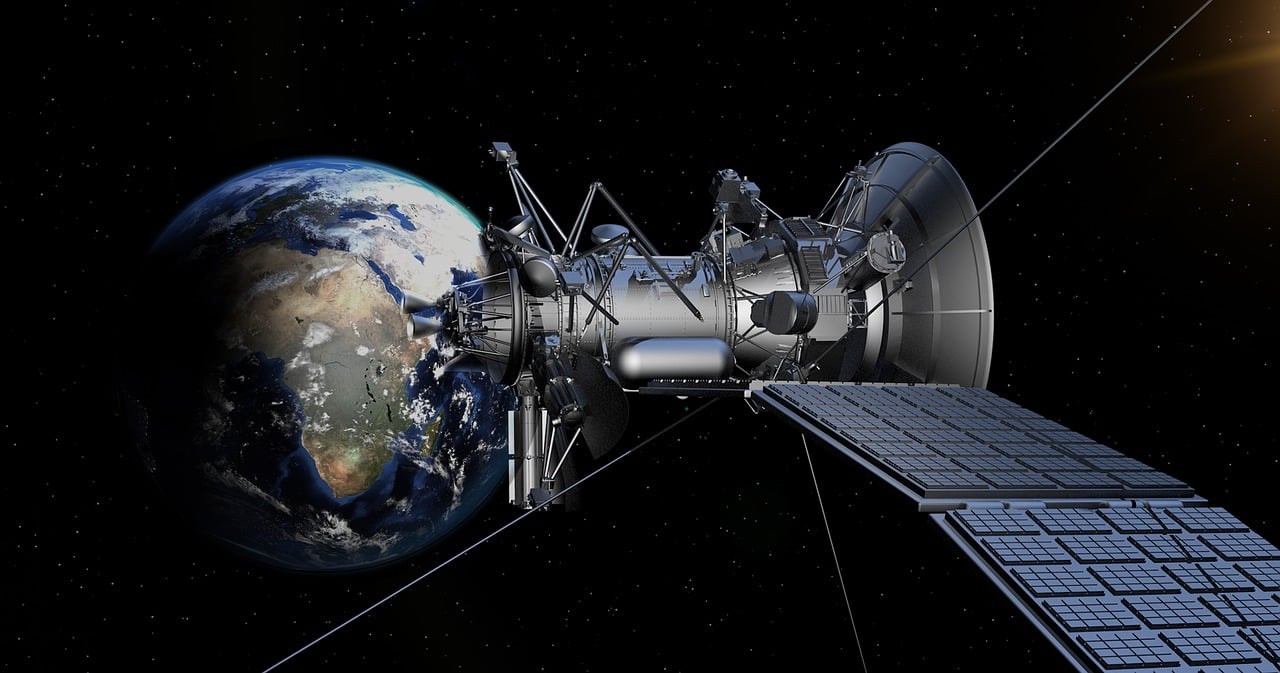
Space technology is advancing toward sustainable and commercial missions. Satellites and propulsion innovations dominate near-term gains, while human exploration and colonization remain long-term objectives. For 2026, engagement makes sense primarily for organizations in aerospace or satellite services, not individual enthusiasts.

AR and VR platforms in 2026 offer practical applications in training, simulation, and collaborative work. Early adopters can gain efficiency and engagement benefits, but widespread deployment still faces hardware, latency, and accessibility limitations. These technologies are ideal for professional environments with targeted objectives rather than casual entertainment.